Posted on

Mobula Season 2025 Highlights: Unforgettable Encounters

BY: Valentina / 0 COMMENTS / CATEGORIES: Baja, Conservation, mobulas, Sea Lions, whales, wildlife

Mobula Season 2025 Highlights: Unforgettable Encounters

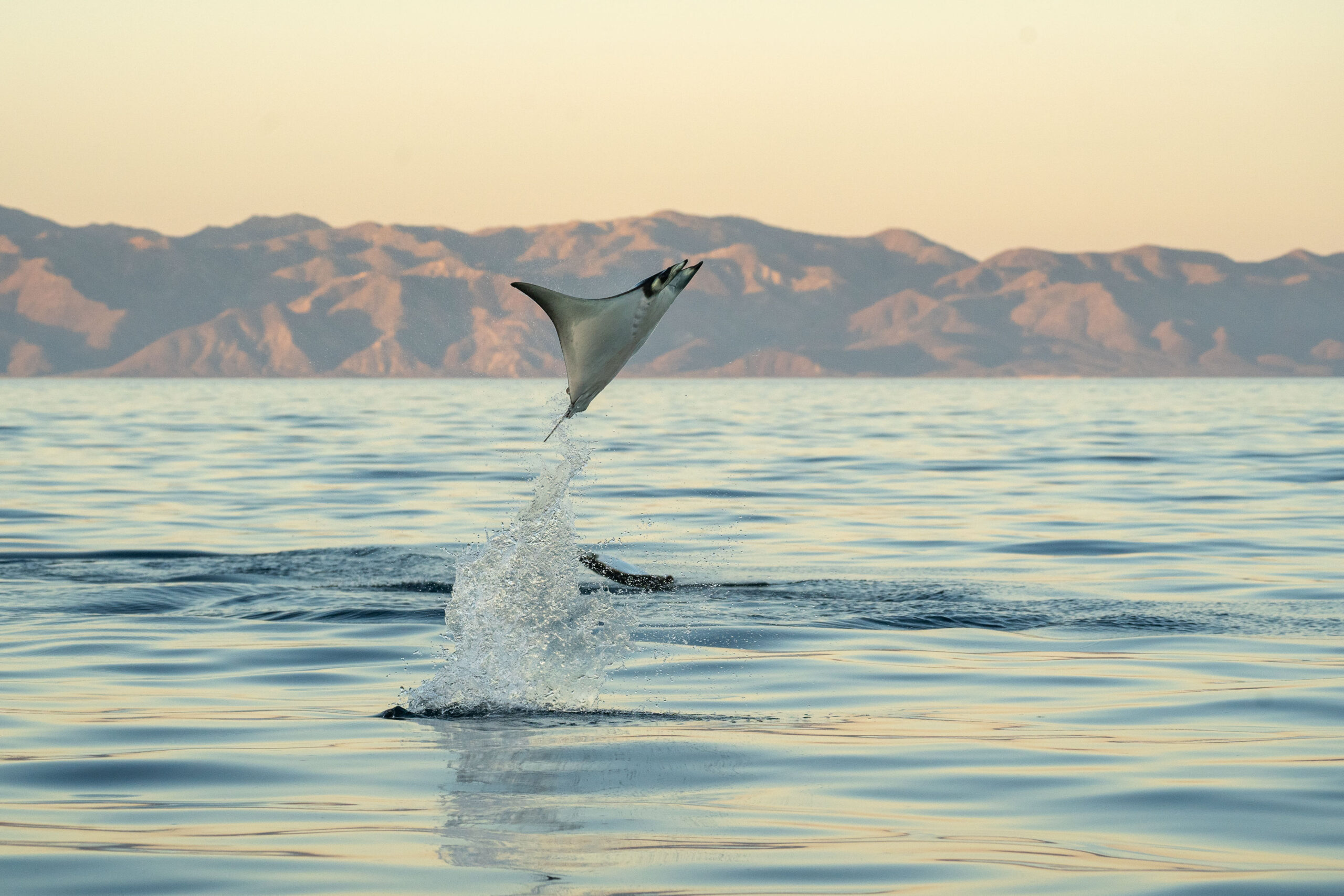
The Sea of Cortez is a theater of marine life, and this mobula season was nothing short of spectacular. From breathtaking vortexes of rays to unexpected encounters with apex predators, the ocean rewarded patience, respect, and a sense of adventure.

This isn’t just a trip—it’s an Ocean Safari. Some days, the sea gifts us thousands of mobulas, playful dolphins, and curious sea lions. Other days, we spend hours offshore, searching… waiting… But when the magic happens—it’s worth every second.

This Season’s Greatest Hits

The stars of the show: Mobulas

We witnessed their full repertoire:

  • Sunrise/Sunset leapers – entire schools jumping

  • Vortex feeders – hundreds spiraling like living tornadoes

  • Mating rituals – males chasing females in a beautiful courtship we call mating train

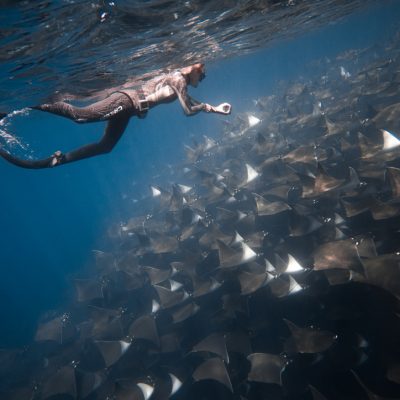
Yet the real show started when we slipped beneath the surface. Picture this: you’re finning through blue nothingness when suddenly the water darkens. A shadow rises from the depths – then another, and another – until you’re surrounded by a fever of mobulas. They are all around you, close enough to see the scars on their backs.
Mobula Ray jumping at sunset during a Mobula Expedition

Dolphin Dreams

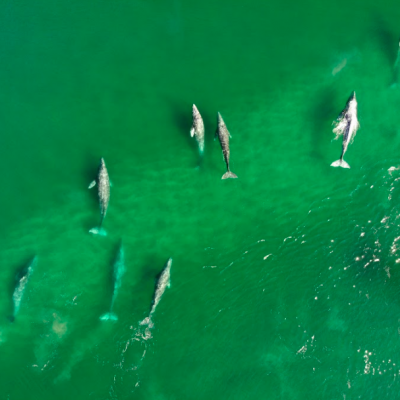
Resident bottlenose dolphins greeted us almost daily—sometimes in small pods of 10, other times in hundreds. They bow-rode our boat, locked eyes with us underwater, and left us grinning every time. We also encountered playful pantropical spotted dolphins, spinner dolphins, common dolphins and risso’s dolphin!
Bottlenose dolphin on the surface

The Big Five & Beyond

This season, we checked off marine megafauna royalty:

Sperm whales (the largest toothed whales on Earth)
Sperm Whale going down

Whale sharks (the largest fish in the world)
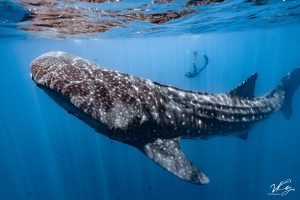
Whale shark in baja Mexico with freefall academy during ocean safari

Orcas (the largest dolphin in the world)
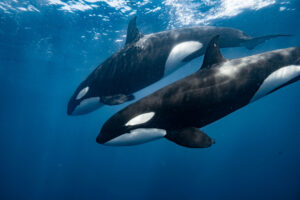
Orcas in a ocean safari in La Ventana during Mobula Season

Blue whales (the biggest animals to ever exist)
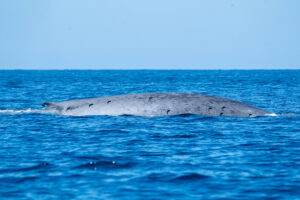
Blue Whale in La Ventana during an ocean safari with Freefall Academy Mobula Season

Mola molas (the heaviest bony fish in the world)
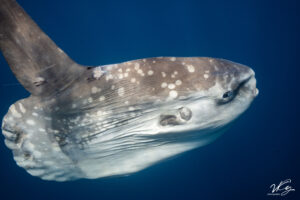
Mola mola during ocean safari in La Ventana with Freefall Academy

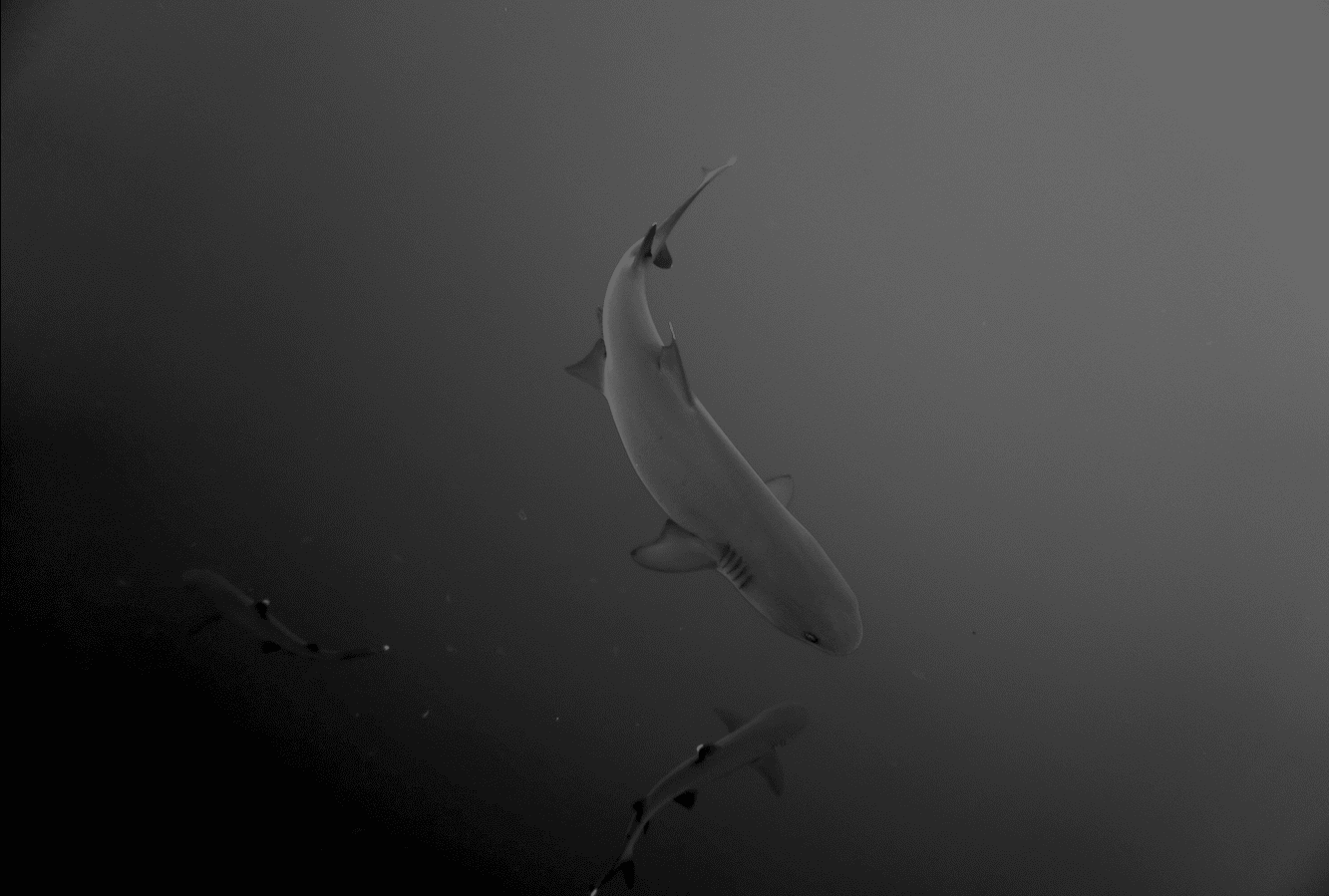
Plus, silky sharks, pilot whales (100+ strong!),  olive ridley turtles mating mid-ocean, and much more!

Citizen Science

If you’ve been reading us, you know that we’re all about citizen science: on every trip we record data that we share the scientists to help better understand animals. This was our top contribution this season:

Tecpatl the Orca

We photographed a massive male orca—later, comparing the dorsal for ID’s, I found a match! E221 was first documented in 2006 near Mathemathitian Seamounts in the Eastern Tropical Pacific. Since then, he’s been spotted in Costa Rica (2021, 2023, 2024)—and now, Baja (2025)! We shared this information with Marea, an NGO that names the Orcas of Baja as a community project. We suggested the name Tecpatl, which means obsidian knife in nahuatl, and we won! Nos E221 has a name, and thanks to photo ID we can write the story of Tecpatl and many other orcas to better understand their movements, the pod structure, their diet and much more!
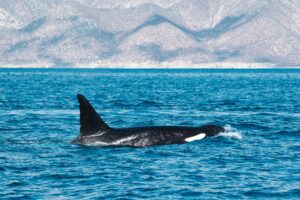
Orca in La Ventana during an ocean safari mobula expedition
Tecpatl the Orca

Stories worth telling

When the Orcas came to us

It was Day 6 of the expedition – the last water day. After yesterday’s disappointment (very crowded orca pod being harassed all day long, we left to be one less boat with them), we decided to start early at the sea lion colony, hoping for some quiet time before the tourist boats arrived. The morning light was golden as we slipped into the water, where we swam and freedove with sea lions.

I was taking photos of Rae (a participant on the expedition) when I heard the captain screaming: “ORCAS! ORCAS!”. First I thought that he was seeing them far away, then I saw the unmistakable dorsal find right next to the boat! My brain short-circuited – they were coming straight for us. We put our heads in the water and saw them gliding past us about 5m away from us!!

What happened next was pure magic.

For three hours, we had the pod all to ourselves (only after an hour 2 then 3 boats showed up). As if rewarding our patience from yesterday, we’re getting close underwater and doing eye contact. After several jumps, we decided to watch them from the boat again and suddenly they started bow riding! Guests were crying, laughing… After a few minutes bow riding, they went under and disappeared for the day, it was like they said goodbye! That is why is why we endure the long days. Check out some photos here.
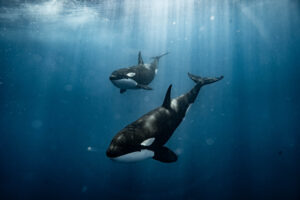
Orcas in La Ventana during an ocean safari on a Mobula Expedition

The Dolphin Superpod That Stole Our Hearts

It started as one of those “let’s just check this last spot” moments. We’d already had a spectacular morning with mobulas and sea lions, but the afternoon stretched ahead with no reports of activity. The crew decided to go northeast.

Forty minutes later, we were in the middle of nowhere – just endless blue and our own wake. Then Pablo, our eagle-eyed captain, suddenly cut the engine. He saw something.

At first it looked like whitecaps on the horizon. Then the water began to boil.

As we crept closer, the scale became clear – at least 1,500 pantropical spotted dolphins, spread across miles of ocean. Not just traveling, but celebrating. Groups of 20-30 would break off to ride our bow, spinning mid-air before crashing back down.

When we slipped into the water, the real show began.

Dolphins came from every direction – some so close I could hear their high-pitched squeals reverberating through my body. A curious subgroup of about 30 formed a loose circle around us, tilting their heads to maintain eye contact as they passed. Pure magic, watch an instagram reel of the experience here.

That’s the thing about the Sea of Cortez – you never know what you’re going to find, and when you find it it’s mind blowing!
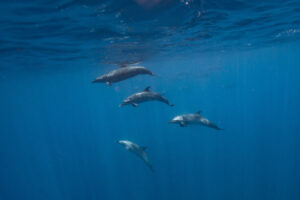
pan tropical spotted dolphins on an ocean safari in la ventana with freefall academy

Expedition vs. Day Trip: What’s Best for You?

  • Day Trips (about 6h): Perfect for everyone — if you are coming to La Paz and only have a day or two, this is for you! You’ll have an awesome experience with wildlife encounters.

  • Expeditions (8-10h): More offshore time = more wildlife encounters. If you want to see more variety of animals, get a better shot, have a better chance to find more exotic animals… this is for you. More time in the water and more days, our expeditions are 5-7 days.


Ready for Next Season?

Spaces for next season are limited. Will you join us for the adventure?

👉 Book Your Mobula Expedition Now

👉 Book Mobula Safari Your Day Trip Now

Read More
Posted on

Gray Whale Season 2022 Wrap Up

BY: Valentina / 2 COMMENTS / CATEGORIES: Baja, Conservation, whales

Gray Whale Season 2022 Wrap Up

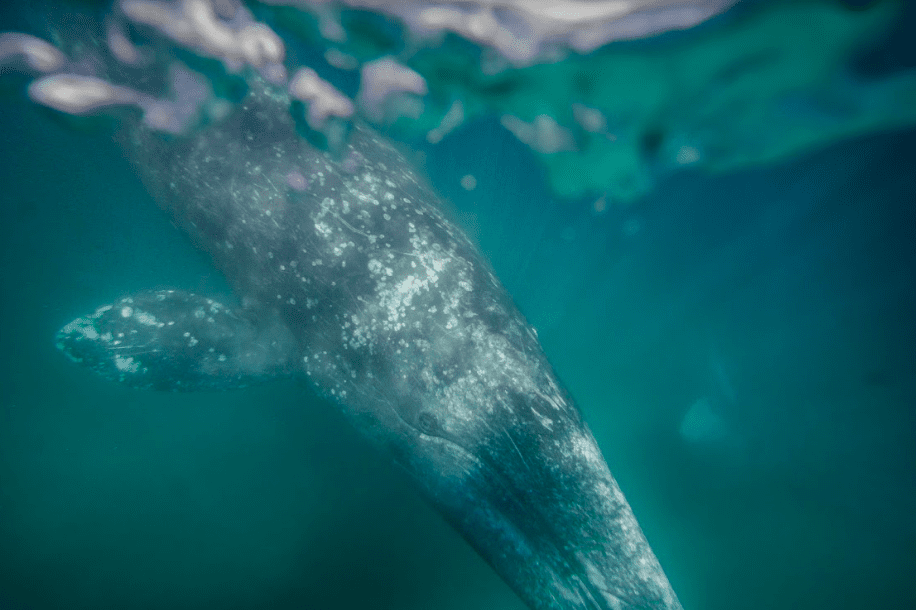
Gray whale season in Baja is officially over! It’s always a bittersweet time of year to see the whales leave: we will not see them until next year, but they’re migrating back to Alaska where they will be eating 1.2 tons of food every day to get strong and be able to come back to Baja next year. They have the longest migration of any mammal on Earth!

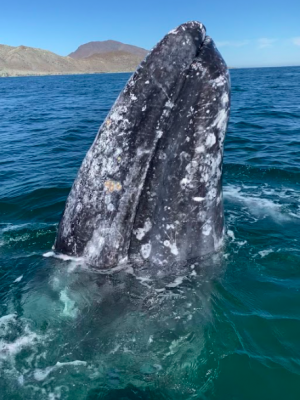
Spy hop gray whale watching tours from la paz on tour with freefall academy
Gray Whale watching in La Paz with freefall academy

This season has been outstanding! We had a 100% sighting success during our daily expeditions, and we witnessed some incredible behaviors. The most unforgettable moment to me was to watch the gray whales courtship and mate! We were able to see a male following the female, showing us the pectoral fins, twirling around and even saw the 2m (6 ft) penis! The most beautiful part was when they were belly to belly mating.

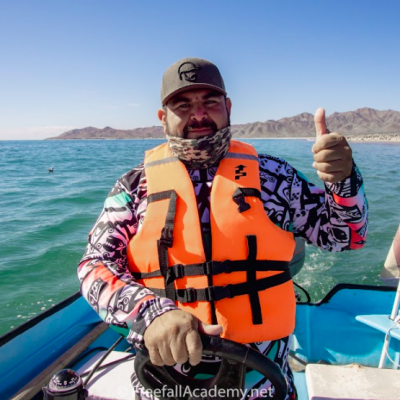
If you’ve come to our expeditions, you know that it is much more than whale watching. As a marine biologist, I love educating people who come onboard about gray whale biology, behavior, reproduction, ecology, conservation and pretty much anything I know. I take data of weather conditions and sightings every day, to be able to understand the whales in a deeper way. However, the captain, José knows the gray whales like his own family. He knows what time of month and day is best according to the moon and the tides. He runs a family business, where his fisherman dad provides the food that we eat on the tour, and his wife or sister cooks it for us. Best scallop you’ll ever try!

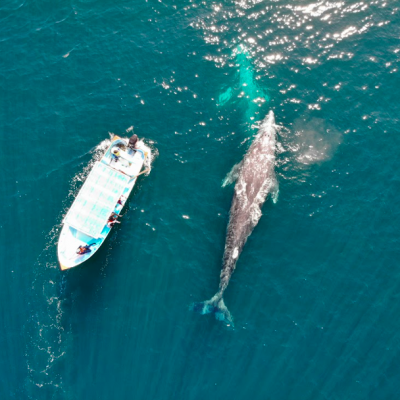
Gray Whale watching drone whale photography on tour with freefall academy
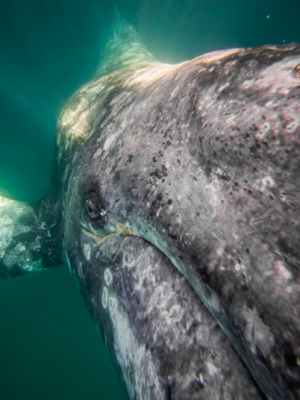
Captain Jose Friendly Gray Whale on tour with freefall academy in la paz baja mexico

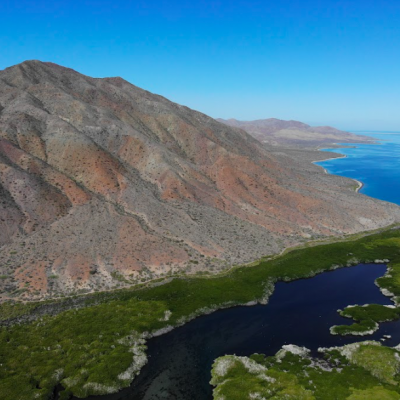
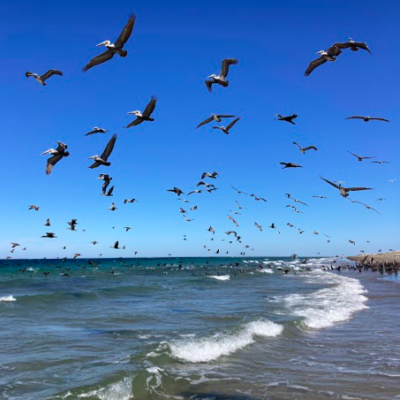
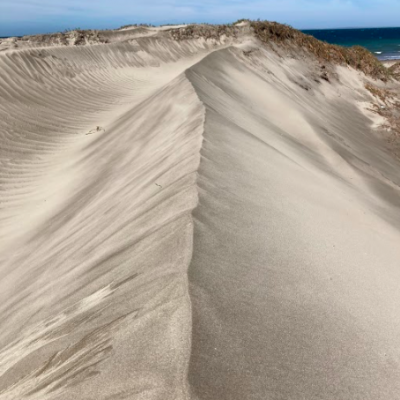
I also like to show the diverse ecosystems that Baja California Peninsula has to offer. On tours, we often visit the frigate bird colony in the mangroves, or wonder in the sand dunes next to hundreds or thousands of pelicans, cormorants and seagulls.

This Gray Whale season we were very happy to see moms with calfs, and very young whales (around 1 or 2 years old) which makes me so happy to see them healthy, meaning they have survived the most critical part of their lifetime!

Isla Margarita on tour with freefall academy in baja mexico
Bird watching Baja with freefall academy
Sand dunes on expedition with freefall academy

We can’t be grateful enough to nature and to the Gray Whales for being so generous and friendly! They made us cry tears of joy, laugh and smile. They’re presence fills us with joy and we can’t wait to see them again next season starting January 15th 2023! If you’d like more information about our daily or multiple-day expeditions, we organize tailored expeditions to fit your desires. Thank you whales and thanks to all of you who help make this happen!

Now it’s time to say goodbye to the Gray Whales, and hello to the Mobula Rays! The largest schools in the World can be found here in Baja, and it’s one of nature’s most spectacular events. Mobulas are famous for their high jumps and acrobatics in the air. Freediving with hundreds or thousands of them is a unique experience that you can’t miss. Check out our Mobula Ray Expedition on May 15-19, only 4 spots available. Email us to book your spot 🙂

Gray Whale watching drone whale photography on tour with freefall academy
Freediver Swimming with mobula rays in la ventana baja mexico with freefall academy
Read More
Posted on

5 Razones para proteger los Océanos

BY: Valentina / 3 COMMENTS / CATEGORIES: Conservation

5 Razones para proteger los Océanos

La conservación marina ha sido un tema muy mencionado en redes sociales, pero ¿Porque es importante proteger los Océanos? Sin océanos saludables, nuestra vida en la Tierra sería severamente desafiada, incómoda y quizás imposible. Cómo lo dijo la Dra. Sylvia Earl “No blue, no green”. El océano está conectado profundamente con cada uno de nosotros, necesitamos de él. Aquí les dejo algunas de las miles de razones por las cuales es sumamente importante proteger del Océano:

1) Son los pulmones de la Tierra

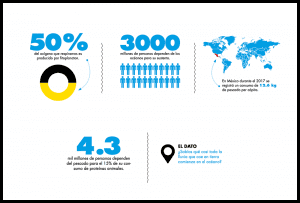
más del 50% del oxígeno que respiramos, fue producido por fitoplancton. El fitoplancton son organismos marinos microscópicos capaces de producir oxígeno vía fotosíntesis y se encuentran en la base de la red trófica marina. Son alimento para todo tipo de organismos, desde animales pequeñísimos como el zooplancton, hasta animales gigantescos como la ballena azul.

2) Regulan el clima

 el océano es crucial para mantener el planeta en la temperatura perfecta para la vida, ni muy caliente ni muy frío. La mayor parte de la radiación solar es absorbida por el océano, reteniendo y distribuyendo el calor por todo el planeta. El agua del océano se evapora constantemente, aumentando la temperatura y la humedad del aire para formar la lluvia y las tormentas que luego son transportadas por los vientos a grandes distancias. De hecho, casi toda la lluvia que cae en tierra comienza en el Océano. Las corrientes son igual de importantes ya que ayudan a contrarrestar la distribución desigual de la radiación solar que llega a la superficie de la Tierra. Sin corrientes, las temperaturas regionales serían más extremas.

3) Economía azul

según la ONU, el valor de la economía global basada en los océanos se estima entre 3 y 6 billones de dólares/año y más de 3 mil millones de personas dependen de los océanos para su sustento. Según la CONABIO, entre 2003-2006 los estados costeros contribuyeron al 43% del PIB nacional.

4) Alimento

la FAO indica que 4.3 mil millones de personas dependen del pescado para el 15% de su consumo de proteínas animales, y la cifra es mucho más alta en países en vías de desarrollo. En México durante el 2017 hubo un consumo de 12.6 kg de pescado per capita. No me gusta promover el consumo de mariscos y pescado, pero es evidente que muchos mexicanos dependen de ello. Lo importante es que conozcan de dónde viene lo que comemos, asegurarse que provenga de un método de pesca sustentable y que las especies que estás comiendo no estén vulnerables o en peligro de extinción.  Es un tema muy complejo y por eso, próximamente, le dedicaré un artículo especial.

5) Nos genera felicidad

¿quién no quiere ir a la playa de vacaciones? El mar nos tranquiliza, nos da paz y felicidad. Ya sea para verlo desde lejitos asoleándose y tomando margaritas, o como me gusta a mí, explorando sus profundidades y su vida. Unos segundos después de que nuestra cara toca el agua, el ritmo cardíaco disminuye, provocando una relajación profunda.

¿Cuáles crees que son los fenómenos principales que estamos haciendo los humanos que daña al Océano? ¿Cuáles son las principales consecuencias del daño que provocamos? ¿Qué puedes hacer para ayudar? De eso les platicaré en el artículo de la próxima edición, ¡Manténganse al tanto!

Artículo escrito por Valentina Kochian Grimaldi para la revista Beyond Line. Artículo original aquí.

Read More
en_USEnglish
1
Scan the code