Posted on

Recap of Baja Odyssey: Baja showed off this week

BY: Valentina / 0 COMMENTS / CATEGORIES: Sin categoría
marlin expedition

We just wrapped Baja Odyssey, and I’m still buzzing 

I just got back from Baja Odyssey… and I’m still buzzing. Four activity days. Countless species. Moments that feel impossible to explain — but I’ll try. Here’s a recap of what we lived out there. Here’s what makes this expedition so special.

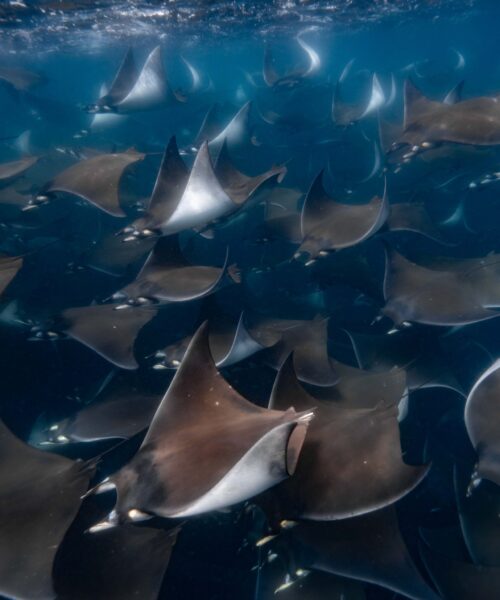
Mobula ray safari with freefall academy

Day 1 – La Ventana

Within the first hour,  we found mobula rays! They were super chill, so we slid in and ended up swimming with them for until we got tired. Then two humpback whales popped up. A pod of bottlenose dolphins right after. It honestly felt like the ocean was stacking encounters back-to-back. We fit in a freediving session too — a couple of students hit personal bests. And we wrapped the day having lunch on a quiet beach. Sun, sand, good food, good people. Solid start.

Day 2 – Espiritu Santo 

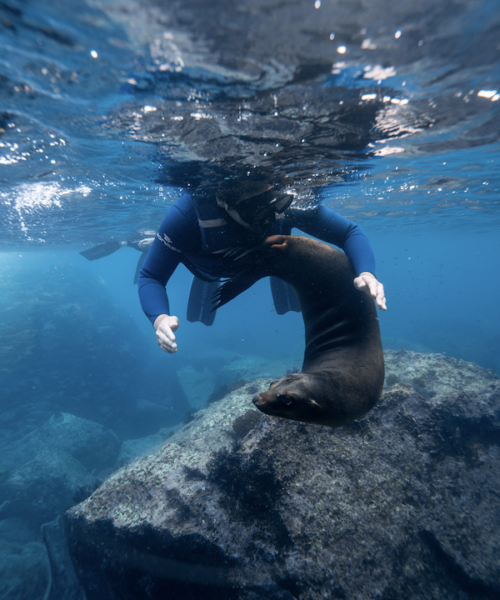
We headed out to the island looking for the friendliest sea lions… and wow, we found them. One little puppy completely stole the show — super curious, hugging everyone, rubbing on fins like it was his personal spa day. No one told him about “keeping distance,” apparently. After a long play session, we moved to the whale shark area and got lucky with a juvenile cruising by. Not on the itinerary, but we made it happen. Another solid day.

sea lions Espiritu Santo
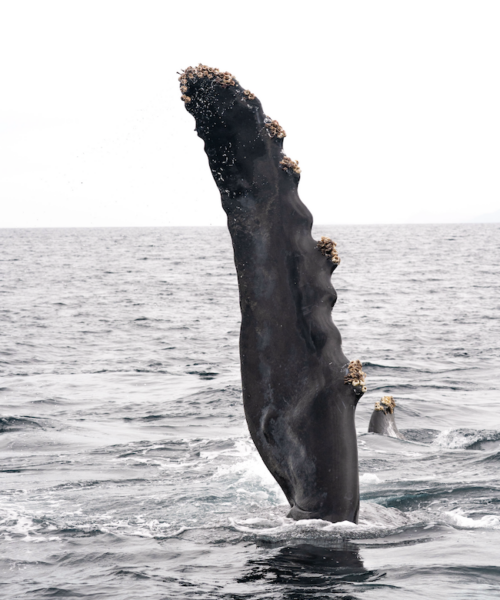
Humpback whale watching magbay

Day 3 – Magbay

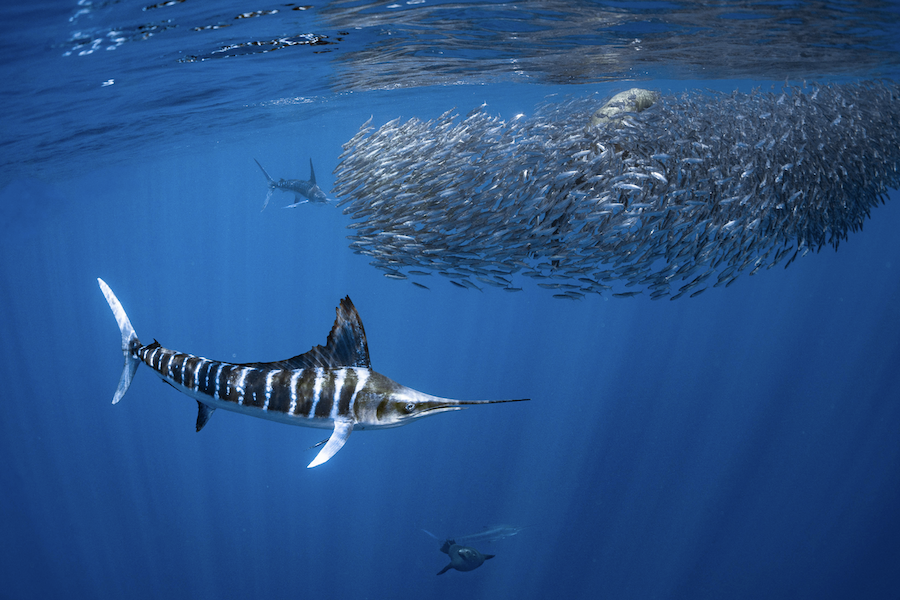
Day 3 was classic MagBay… with extra sauce. On the way out we ran into Pacific white-sided dolphins. Then we found both dynamic and static baitballs — full action — marlin and sea lions hammering the sardines. We even spotted a sailfish in the mix. More bottlenose dolphins showed up, and on our way back we had the moment of the day: a humpback whale that came out of nowhere, super close to the boat and chill, twice! Not something you see every day, which made it extra special for everyone onboard.

Day 4 – Magbay

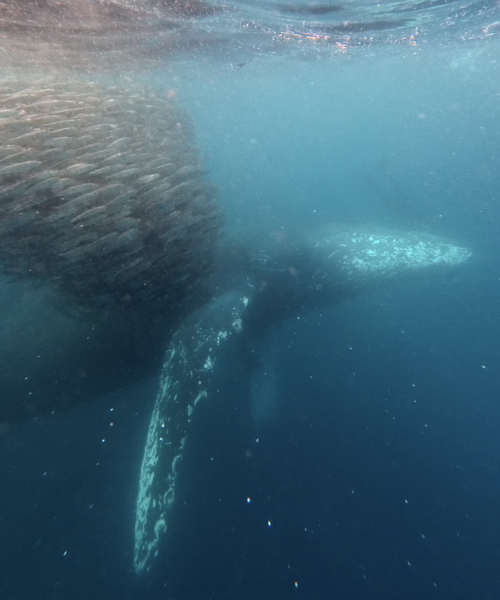
On the last day everyone thought, “There’s no way it can get any better…” We started with a hike through the sand dunes and mangroves — calm, quiet, totally different vibes. Then on our way toward the marlin area we saw a ton of birds, so we went to check it out. Huge bait ball: sea lions and skipjack tuna feasting, pelicans and shearwaters diving nonstop. And out of nowhere… two humpback whales came in. One of those lifelong-memory moments. We wrapped the day with common dolphins bow riding and a delicious goodbye dinner. Perfect ending.

whale feeding on a bait ball in magbay

It’s hard to believe everything we saw in less than one week… but that’s Baja. Full of surprises. Long days on the water, early mornings, salty hair — and worth every minute. 

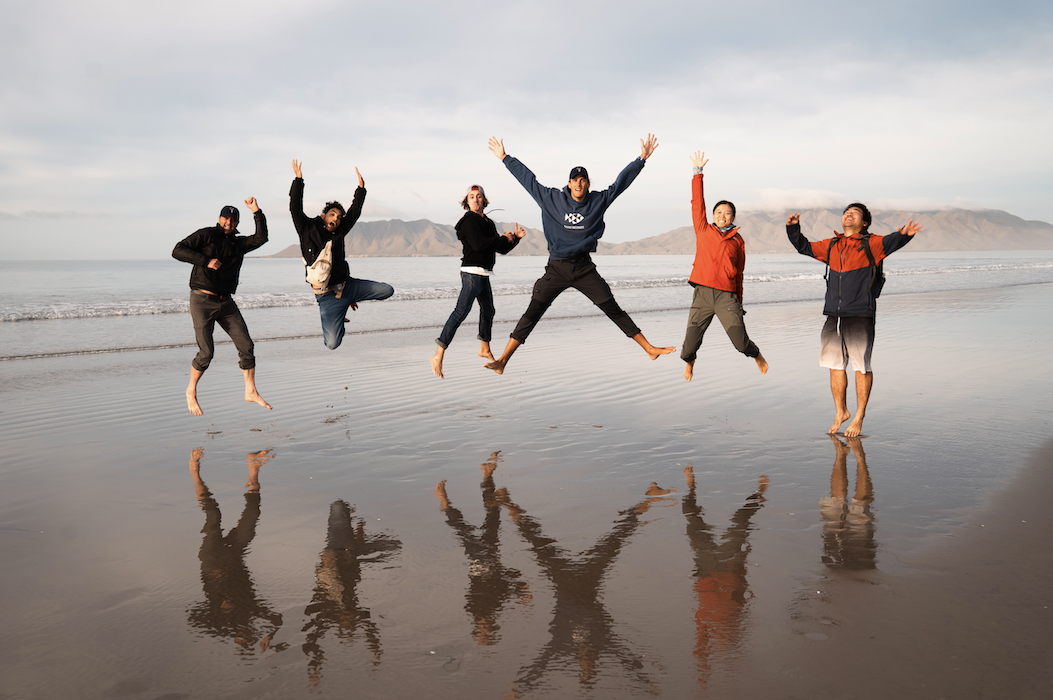
But honestly, what made this week stand out wasn’t just the wildlife. It was the people. Trevor, Ran, Jeff, Rubens, Tristan and Gilad — each of you brought your own energy, humor, curiosity, and heart into this trip. You made the Odyssey what it was. Thank you.

magbay sand dunes

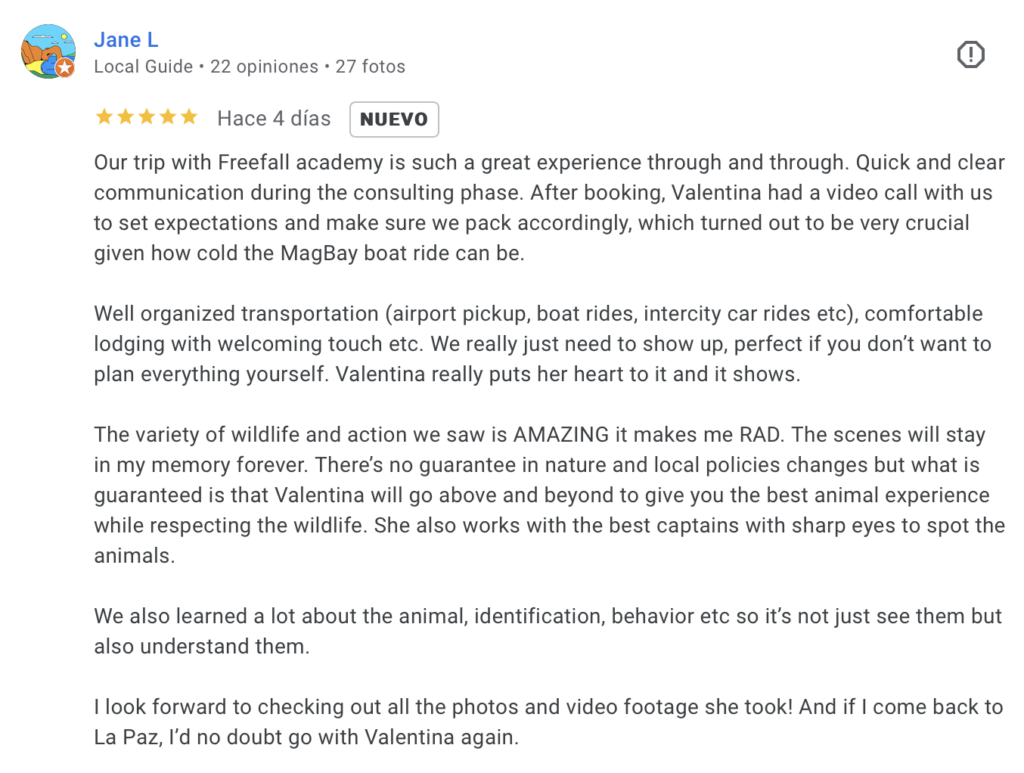
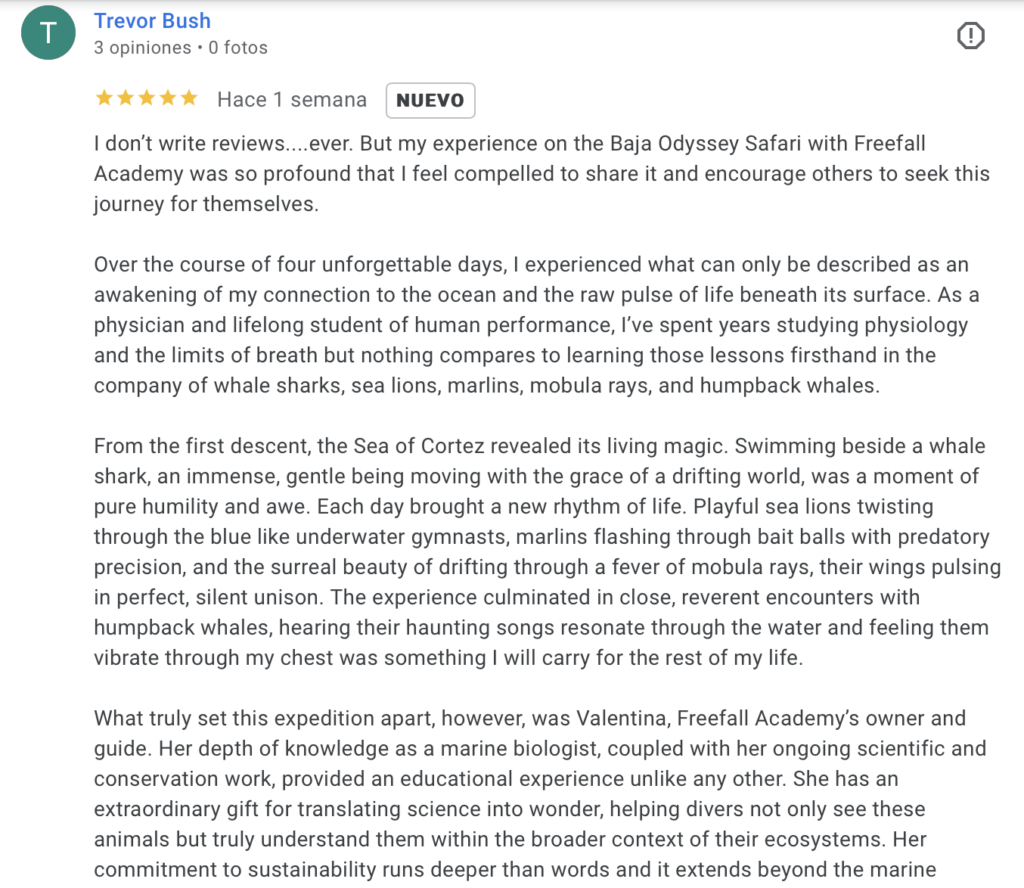
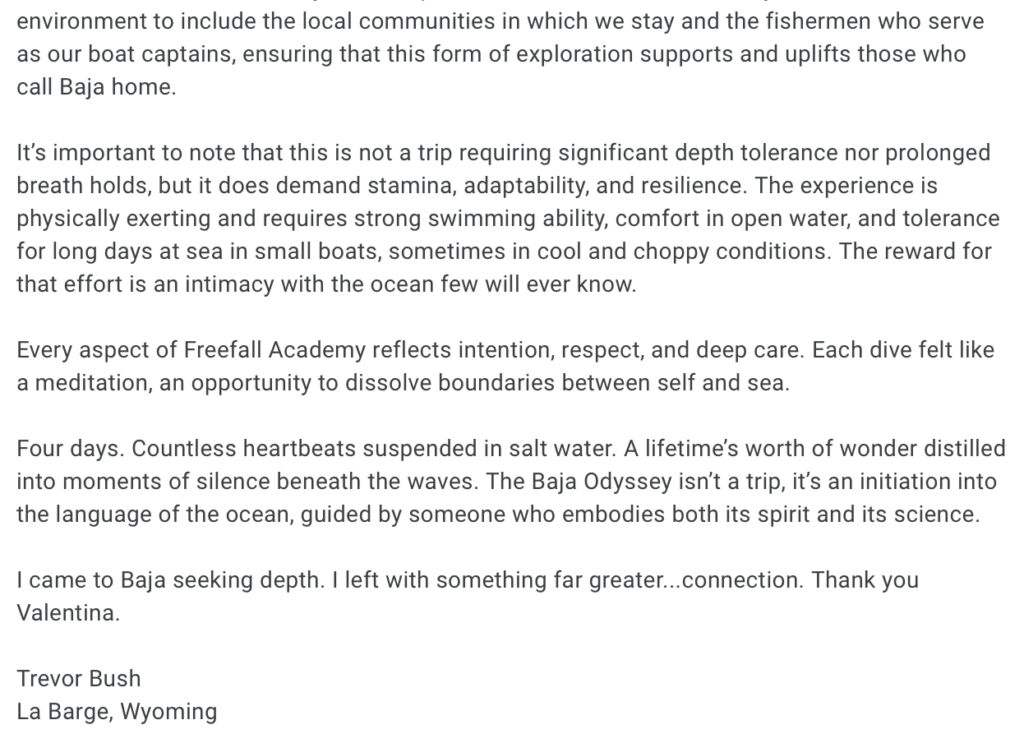
Here are a couple of beautifully written testimonials from our guests — and honestly, they made me tear up. I’m incredibly grateful to share my love for the ocean, freediving, and wildlife with people, and to see how these encounters can shift something inside them.

baja odyssey testimonial
testimonial baja odyssey

My mission has always been to help humans connect with wild animals in a deeper way — beyond a selfie or a bucket-list check. To teach their biology, their behavior, their stories… but more importantly, to show that they’re individuals with personalities and emotions. They deserve respect and admiration above anything else.

We’re just visitors with the privilege of slipping into their world for a few minutes or hours. And that alone is something to be grateful for.

Hope you enjoyed the read. With love,

Valentina

Read More
Posted on

Swimming with Orcas in Mexico is Now Legal in La Ventana, Baja: Here’s All You Need to Know

BY: Valentina / 0 COMMENTS / CATEGORIES: Sin categoría

Swimming with Orcas in Mexico is Now Legal in La Ventana, Baja: Here’s All You Need to Know


Introduction: Context of Swimming with Orcas in Mexico

For the first time in history, swimming with orcas in Mexico is officially legal — but only under very specific conditions.

In July 2025, the Mexican government released the Plan de Manejo Temporal para la Interacción Responsable con Orcas en La Ventana, Baja California Sur.” This new regulation finally defines how humans can safely and ethically enter the water with orcas.

Until now, encounters existed in a legal gray area. There were no rules — only improvisation. Some captains approached responsibly, others didn’t. Without clear limits, harassment became common: boats surrounded pods, engines roared too close, and orcas were often chased for the perfect shot.

This new law will hopefully change that. It’s the first real attempt to manage orca encounters in a way that protects both the animals and the people in the water. It’s not perfect — in fact, it’s a one-year trial period meant to test and adjust the system — but it’s a crucial first step toward a future where ocean tourism and conservation can truly coexist.

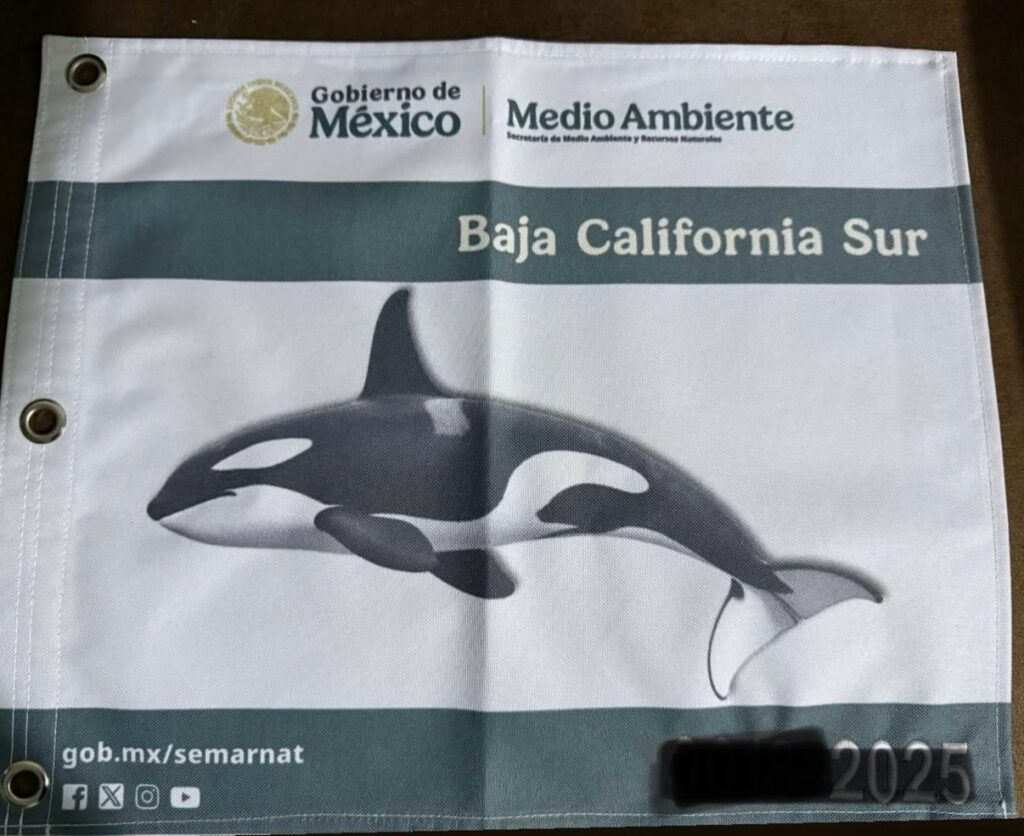
Our captains now have the first official permits to swim with Orcas in La Ventana, and we see this moment as more than just exciting — it’s a responsibility.

Permit to Swim with Orcas in La Ventana
Orca Permit


What the New Law Says (and Why It Matters)

After years of operating in a legal gray area, Mexico has finally established its first official management plan for swimming with and observing orcas — a one-year pilot program (August 2025 to July 2026) in La Ventana, Baja California Sur.

This plan sets strict conditions for who can enter the water, when, and how. It’s the first real attempt to turn orca encounters from chaotic to controlled and conscious.

Here are the most important rules:

  • 🛥 Boats: Only small boats under 10 meters (≈ 32 ft) are allowed. Each operator can use just one permitted boat.
  • 🚤 Daily limit: Only 24 boats per day, divided into 8 time slots (3 boats per slot, between 7:00 AM and 6:00 PM).
  • 🌊 Distances:
    • Active observation: Minimum 20 meters between boat and orcas.
    • Waiting boats: 60–100 meters away.
  • 👥 People in the water: Maximum 5 people, including the guide.
  • Time: Each encounter can last up to 30 minutes, plus 15 minutes for approach and exit.
  • 🚫 When swimming is not allowed:
    • If orcas are hunting, resting, or feeding on large prey (>2 m) such as dolphins or whales.
    • It’s only permitted when orcas show calm, social, or cooperative behavior with small prey like fish, mobulas, or turtles.
  • 📍 Authorized area: Activities are restricted to a designated polygon near La Ventana, from Playa Central to Ensenada de Muertos.
  • ⚠️ Other restrictions:
    • No drones, feeding, or touching.
    • Boats must never block the orcas’ path.
    • Captains stay aboard; only one guide — wearing a red marker for visibility — may accompany swimmers in the water.

These measures are designed to protect both orcas and people, reduce stress on the animals, and allow authorities to collect data for long-term management.

A Personal Note

This is a trial year — a test to see how responsible operators, like us, can coexist with these apex predators in harmony.

I’ll be honest: some of the new rules are confusing and will probably need adjustments. But for the first time, there’s structure and accountability. It’s a step forward — imperfect but necessary.

Encounter with Wild Orca Swim in La Ventana


Why This Matters — and What We Hope Will Change

For years, orca encounters in Mexico happened in a kind of wild west of marine tourism — no rules, no limits, no real oversight.
Every operator did things differently. Some were respectful, keeping their distance and letting the orcas lead. Others weren’t. Engines chased. Pods were surrounded by boats. People jumped in too close, too fast. At times it got wild. We always left those situations, not wanting to be part of the problem.

And while many had good intentions, the truth is — without regulation, even excitement can become harassment.

That’s why this new law matters. It marks the first real effort to manage human behavior around orcas before it’s too late.
It’s not about taking the thrill away — it’s about making sure that thrill doesn’t come at the expense of the orcas.

For us at Freefall Academy, it’s also about accountability.
We’ve always believed encounters should happen on their terms — calm, quiet, natural. The new permit system finally rewards that approach, setting a baseline for respect that the ocean desperately needs.

Still, this is only a beginning.
The plan is valid for one year — a pilot season to gather data and evaluate what works and what doesn’t. Many of the current rules will likely evolve. Some make perfect sense; others feel impractical once you’re actually in the water.

But that’s okay. Change in ocean policy rarely comes perfect — it comes from trial, feedback, and experience.

What we hope is that this new framework becomes the seed of something bigger:
A permanent, well-designed system that protects orcas, supports local captains, and gives travelers the chance to experience something profoundly moving — without harming what makes it so powerful.

Because at the end of the day, the goal isn’t just to make swimming with orcas legal.
It’s to make it sustainable, ethical, and respectful — a model for how ocean tourism can coexist with the wild, rather than against it.

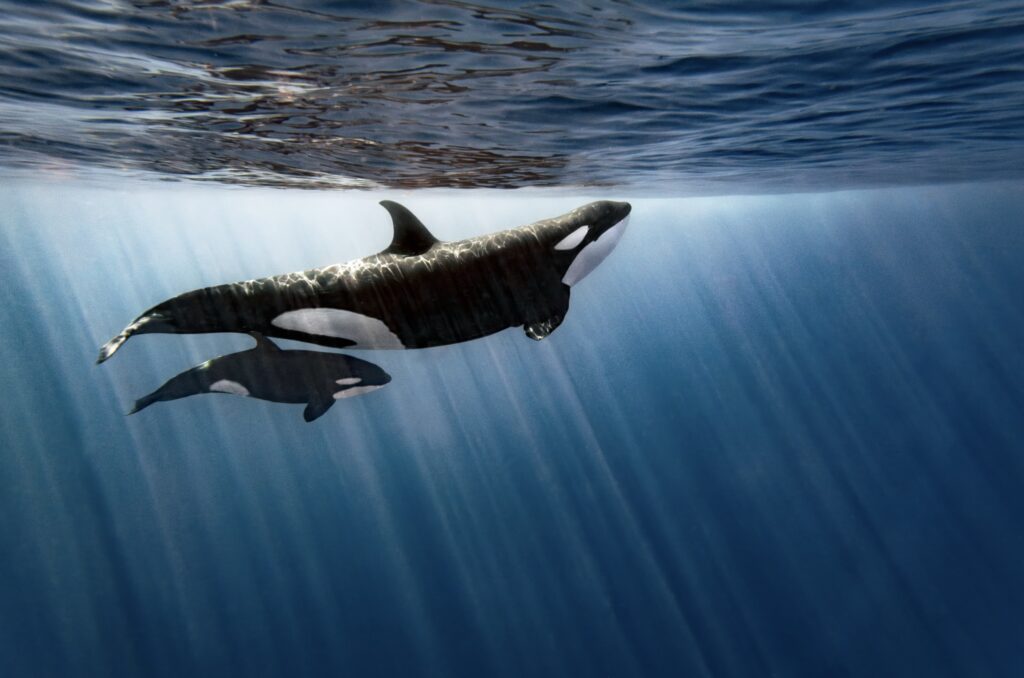
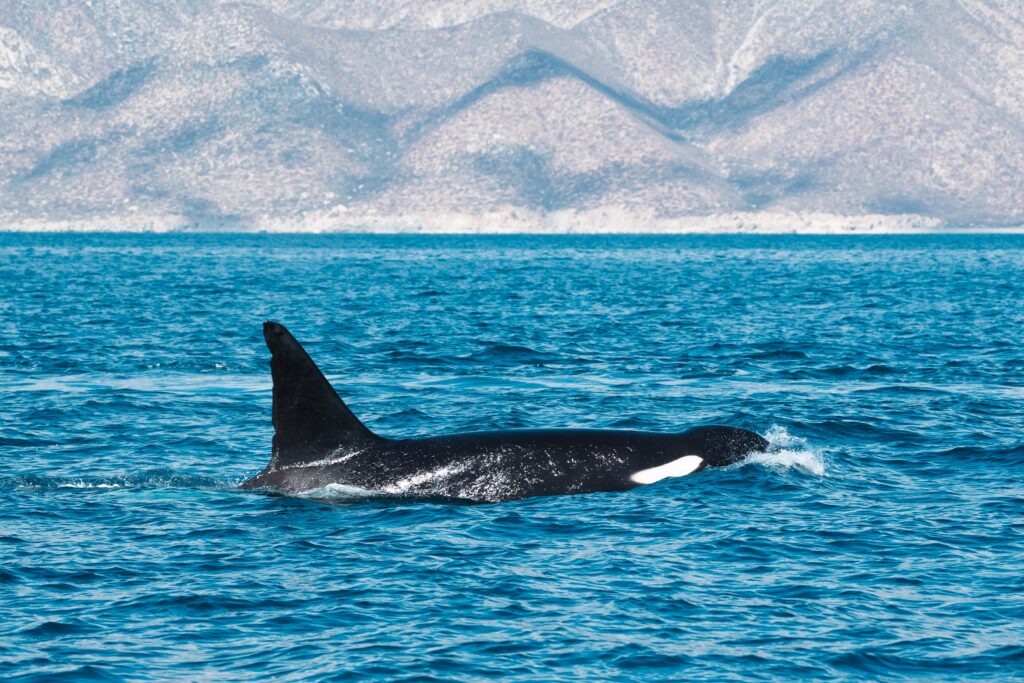
Orcas in La Ventana

What This Means for You (and What to Expect on an Ocean Safari)

Joining one of our Ocean Safaris means becoming part of something historic.
You’re not just signing up for another wildlife tour — you’re helping shape how humanity interacts with one of the ocean’s most intelligent and powerful species.

Here’s what to expect:

  • 🐋 Real encounters, never guarantees.
    Orcas are wild and constantly on the move. They travel with their food — following rays, whales, turtles, sharks… That means sightings are unpredictable. Some days, the ocean offers a breathtaking orca encounter. Other days, they’re hundreds of miles away.
    That uncertainty is part of the magic. It’s what keeps the experience real.
  • 🌊 Come for the ocean, not just the orcas.
    Our safaris are about much more than one species. You might swim with pods of dolphins, watch mobula rays leap into the air, drift beside turtles, or glide through a pod of dozens of pilot whales.
    Every day is different — a surprise crafted by nature. That’s why we recommend joining for multiple days, to increase your chances of meeting orcas and to experience the true diversity of Baja’s marine life.
  • ☀️ Best time to come.
    Orcas can appear any month of the year, but spring and summer (April–July) tend to offer the best chances. The sea is calmer, the water clearer, and the food more abundant.
    • April to June: Mobula Safari or Mobula Expedition
    • July to December: Ocean Safari
    • December to March: we focus on other locations due to the difficult weather conditions in La Ventana during those months (usually windy, green cold water).
  • 🤿 Intimate groups, quiet connection.
    A maximum of 5 people in the water — small enough to hear your heartbeat and the soft clicks of the ocean.
  • 🐬 Expert guidance, ethical to the core.
    Led by marine biologists, with the official Mexican guide certification NOM09. We read the ocean’s moods and let animals lead the encounter — never the other way around.
  • 📚 Learning woven in.
    Each trip includes educational briefings on animal biology, behavior, communication, and conservation, because understanding what you’re witnessing transforms the experience completely.

This isn’t about chasing the ocean’s biggest headline — it’s about showing up for whatever the sea wants to share that day.
And when an orca does appear, when it chooses to approach you in its own rhythm and time, you understand why patience is part of the adventure.


The Future of Orca Encounters: What Comes Next

This new law is a beginning — not a finish line.

2025 is a trial year, a test to see if humans can share the water with orcas responsibly. It’s far from perfect. Some rules make sense only on paper; others will need real-world adjustment. But that’s how change begins — with small, imperfect steps toward something better.

Our hope is that this management plan evolves into a long-term system that works for everyone: the orcas, the captains, and the travelers who come from all over the world to meet Baja’s marine life with open hearts.

Because if we can prove that ethical encounters work — that awe and protection can coexist — it could change the future of marine tourism in Mexico and beyond.

At Freefall Academy, we’re proud to help lead that movement. Every safari we run, every briefing we give, every respectful encounter we share is a statement of what ocean tourism can be when done with intention.

And the truth is: the ocean remembers how we treat it.
The more we respect its rhythms, the more it rewards us with moments that take our breath away.


So if you’ve ever dreamed of meeting orcas in the wild — not in a tank, not on a screen, but face to face, on their terms— this is your moment.

Join us in Baja.
Learn, dive, and witness a new chapter in ocean conservation unfold right beneath the waves.

📅 Best season: April to August
🌎 Location: La Ventana, Baja California Sur
💙 Experience: Ocean Safari with Freefall Academy
🎟 Book your spot: https://www.freefallacademy.net/ocean-safari/


Read More
Posted on

AIDA 1 vs AIDA 2 Freediving Courses – Which One is Right for You?

BY: Valentina / 0 COMMENTS / CATEGORIES: Course, Freediving, Sin categoría

Discover Freediving (AIDA 1) vs Beginner Freediving Course (AIDA 2)

– Which One is Right for You?

Introduction

Are you ready to explore the underwater world through freediving but unsure where to start? The AIDA 1 and AIDA 2 freediving courses are two of the most popular entry points into the sport. While both are designed to teach you the fundamentals, they cater to different levels of experience and goals. In this guide, we’ll break down the key differences between AIDA 1 vs AIDA 2 freediving courses to help you decide which one is right for you.

What is AIDA?

AIDA (International Association for the Development of Apnea) is one of the most recognized organizations in freediving education. Their courses are structured to help divers progress safely and confidently, whether you’re a beginner or an advanced freediver.

pacific white sided dolphins and freediver magbay baja mexico with freefall academy
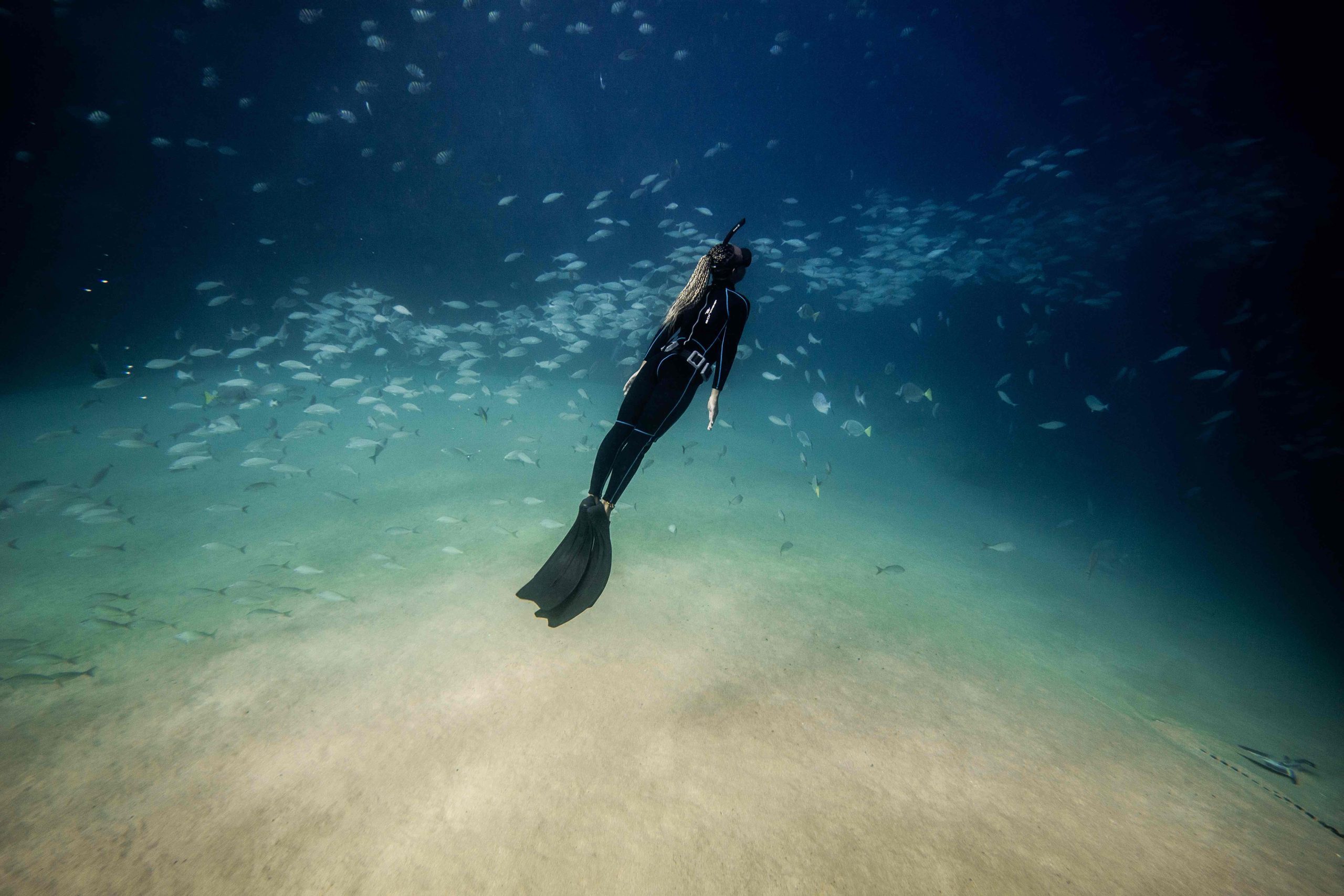
freediving allows you to explore the ocean in a whole new way

AIDA 1 Discover Freediving Course: The Perfect Introduction

The AIDA 1 course is designed for absolute beginners who want to dip their toes into freediving without committing to a lengthy program.

  • Duration: 1-2 days
  • Focus: Basics of freediving, safety, and relaxation.
  • Theory sessions: 1
  • Confined Water Sessions: 1
  • Depth Sessions: 1 (only with 2 day option)
  • What You’ll Learn:
    • Basic breathing techniques.
    • Safety protocols and buddy diving.
    • Introduction to equalization.
    • Simple relaxation methods for the water.
    • Static apnea practice
    • 1 Day of depth apnea practice (only for 2 day option)
  • Depth Goal: No specific depth requirement—focus is on comfort and safety.
  • Ideal For: Beginners or those curious about freediving who want a short, no-pressure introduction.

AIDA 2 Beginner Freediving Course: Building Foundational Skills

The AIDA 2 course is the next step for those who are more confident in the water. It is not a requirement to take the AIDA 1 course in order to attend the AIDA 2 course. It’s designed to help you dive deeper and refine your techniques from zero.

  • Duration: 4 days
  • Focus: More in depth theory, techniques, deeper dives, more practice time.
  • Theory sessions: 2
  • Confined Water Sessions: 2
  • Depth Sessions: 3
  • What You’ll Learn:
    • Breathing and breath-hold exercises.
    • Improved equalization methods (e.g., Frenzel technique).
    • Dive planning and safety for deeper dives.
    • In-depth theory on freediving physiology and risks.
    • Static apnea practice
    • Dynamic Apnea practice
    • 2  Days of depth apnea practice
  • Depth Goal:  12-20 meters (40-66 feet).
  • Ideal For: Those ready to progress to deeper dives and build a strong foundation in freediving. Those who feel confident in the water (for example people that like to swim, snorkel or scuba) and have enough time (4 days) to invest on a course.

Key Differences Between AIDA 1 and AIDA 2

Here’s a quick comparison to help you decide:

AspectAIDA 1AIDA 2
LevelBeginnerBeginner
Duration1-2 days4 days
Depth GoalNo specific depth12-20 meters (40-66 feet)
FocusBasics, safety, and relaxationBasics, safety, relaxation, technique, deeper dives, more practice
CertificationIntroductory levelFoundational level

Which Course Should You Choose?

  • Choose AIDA 1 if: You’re new to freediving and want a quick, no-pressure introduction to the sport. It’s perfect for beginners who want to learn the basics in just 1-2 days. Also for tourists who want to try freediving but don’t have enough time while traveling to take an 4 day AIDA 2 course.
  • Choose AIDA 2 if: If you feel confident in the water or if you’ve completed AIDA 1 or have some freediving experience and want to learn to dive deeper, refine your techniques, and gain a deeper understanding of freediving theory.

Conclusion

Both the AIDA 1 and AIDA 2 freediving courses offer incredible opportunities to explore the underwater world, but they cater to different levels of experience. If you’re just starting out, the AIDA 1 course is the perfect way to learn the basics in a short time. For those ready to take the next step, the AIDA 2 course will help you build a strong foundation in freediving to dive deeper and hold your breath for longer.

Ready to start your freediving journey? Explore our AIDA 1 vs AIDA 2 freediving courses and choose the one that’s right for you!

Read More
Posted on

Dive for Change: our social initiative

BY: Valentina / 0 COMMENTS / CATEGORIES: Sin categoría

Hi friends!

We’re thrilled to introduce an initiative that creates positive impact in the local communities we work with in Baja: Dive for change.

What is Dive for Change?

Dive for Change is more than just an initiative; it’s a commitment to making a difference. It stems from our deep-seated belief in the environmental and social responsibility that comes with tourism and diving activities. At its core, Dive for Change embodies the idea that our actions can contribute to meaningful transformations in the world around us.

Our Mission

Our mission with Dive for Change is twofold: to empower individuals through freediving education and to support local communities in coastal areas. We believe that by providing access to diving courses, we not only equip people with valuable skills but also foster a deeper appreciation for marine environments and the importance of conservation efforts.

In the communities we work with in Baja, the majority are involved in the fishing industry. Some of them engage in freediving for recreation or as a tool in fishing techniques. Most fishermen are aware of the risks associated with freediving; they’ve heard stories of people blacking out, or perhaps they’ve even experienced it firsthand. However, they may not be sure how to avoid these risks, how to perform rescues, or how to dive deeper and longer while minimizing dangers.

At our core, we aim to provide them with the knowledge and tools necessary to prevent freediving-related accidents from occurring.

How it works?

For every three freediving courses purchased with Freefall Academy, we pledge to gift a freediving course to one member of a local community. These courses are specifically tailored to individuals in coastal areas, including fishermen and their families, who may benefit from learning essential diving skills for their livelihoods or personal enjoyment. The courses that we will provide to them are totally free of charge.

We have two types of educational programs:

  1. A talk about Safety and Risk Prevention in Freediving: this talk is about one hour long and it is targeted at bigger audiences. The aim is to give basic knowledge about freediving safety that will help save lives.
  2. A Freediving Course: this is a two day course where we will teach theory and practical session including breathing exercises, a static and a depth session to 6-8 community members. This course will give them more in depth knowledge to practice freezing safely. The course is focused on safety and prevention.

The Birth of Dive for Change

In 2023, tragedy struck one of the local communities we frequently visited. A friend and fellow diver lost his life in a freediving accident. The news sent shockwaves through the diving community, leaving us with grief.

As I looked deeper into the circumstances surrounding the accident, it became painfully clear that it could have been prevented. The diver had been diving alone and was overweighted—a direct violation of the number one rule of freediving: never dive alone. This heartbreaking incident served as a stark reminder of the importance of knowledge and safety in the world of freediving.

Reflecting on this tragedy, coupled with our regular visits to these coastal communities for unforgettable wildlife adventures, I couldn’t shake the feeling that we owed something back to these places that had given us so much. It was during this time of introspection that the idea for Dive for Change began to take shape.

This made me rethink: how could Freefall Academy amplify its positive impact on these communities? And thus, Dive for Change was born—a project of hope, education, and empowerment for coastal communities and divers alike.


Our Impact So Far

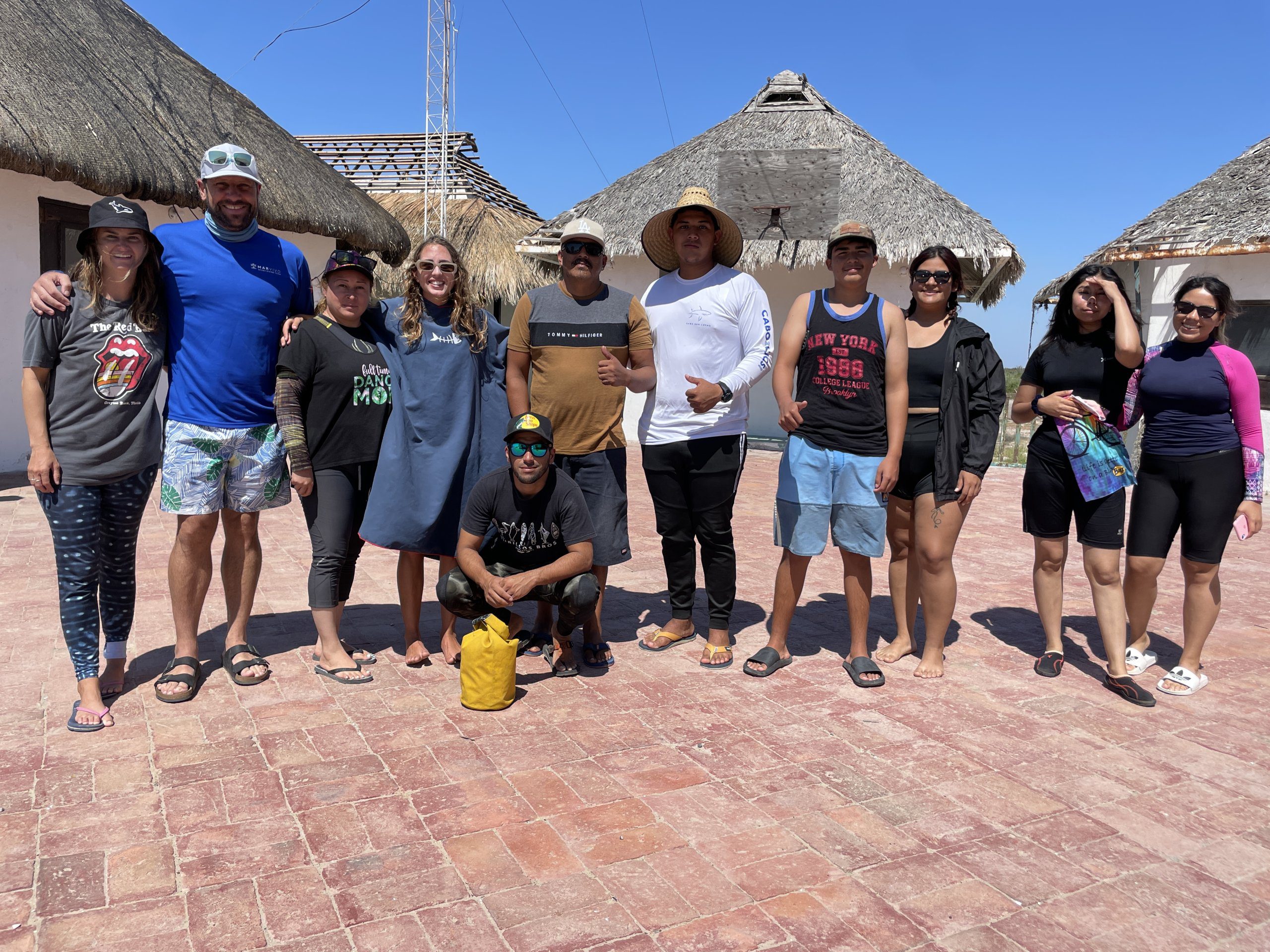
In September 2023, Dive for Change made its mark in Puerto San Carlos. We hosted a talk on freediving safety for over 40 attendees, followed by a three-day freediving course for eight eager students. The community’s response was overwhelmingly positive, with many expressing a desire for us to return. Our efforts are already making a tangible difference, and we’re excited to continue empowering coastal communities through education and action.

Making Waves of Change

By participating in a freediving course with Freefall Academy, you’re not just embarking on an exciting diving adventure; you’re also contributing to positive change in coastal communities. Your support helps us expand access to education, promote environmental awareness, and ultimately, create a ripple effect of empowerment and conservation along our coastlines.

Join Us!

Are you ready to Dive for Change? Join us in our mission to make a difference—one dive at a time.
 

Read More
en_USEnglish
1
Scan the code